
Antique, vintage and retro are often used to describe furniture, collectables, clothing and decorative pieces from the past — but the three terms aren't interchangeable.
If you enjoy browsing antique shops, vintage markets, fairs and reclamation businesses, understanding the difference can make it easier to know what you're looking at and what questions to ask.
There can be some overlap in the way these words are used, particularly with vintage and retro, but there are some useful distinctions between them.
Here's our straightforward guide to antiques vs vintage vs retro.
What Is an Antique?
In general use, an antique is an object that is at least 100 years old.
That means the date at which an item becomes an antique naturally moves forward over time. In 2026, for example, something made in 1926 is reaching the 100-year mark.
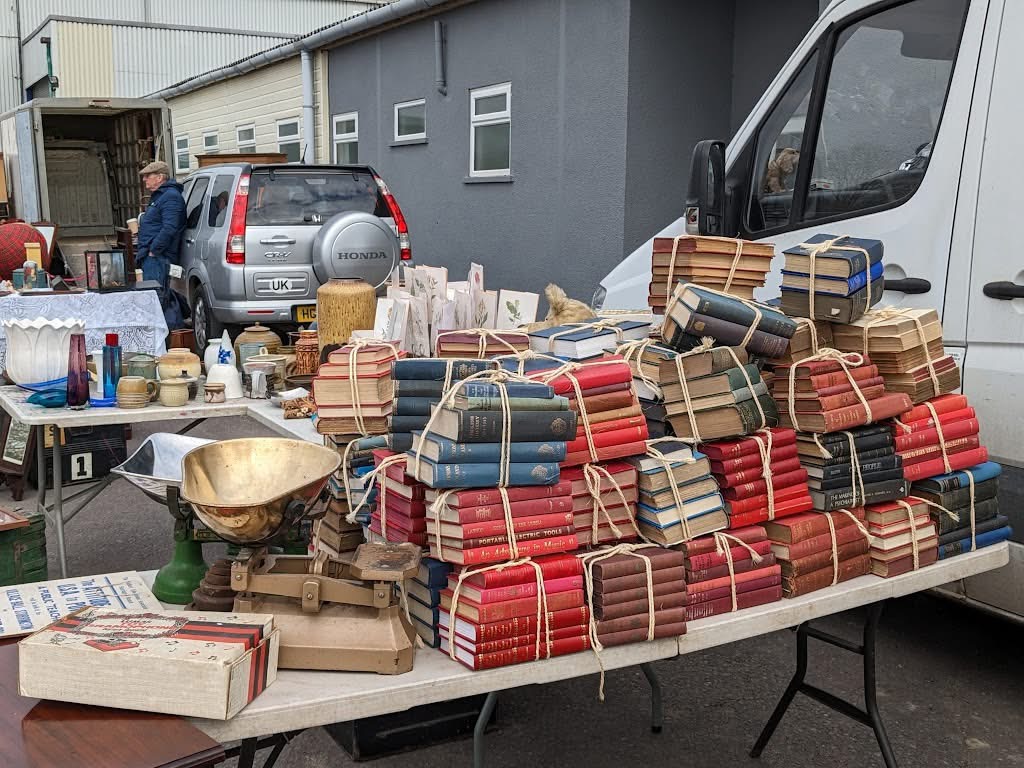
Antiques can include furniture, ceramics, jewellery, clocks, paintings, silverware, books, decorative objects and countless other items.
Age alone doesn't necessarily make something valuable. Condition, rarity, maker, provenance, quality, demand and originality can all influence the desirability and value of an antique.
What Does Vintage Mean?
Vintage is a broader and less precisely defined term than antique.
It's commonly used for genuine older pieces that represent a recognisable period, style or era but haven't necessarily reached antique age.
You might therefore see original mid-century furniture, 1970s homeware, older clothing, advertising, records, lighting and collectables all described as vintage.
Unlike the 100-year guideline commonly associated with antiques, there isn't one universally agreed age at which an object officially becomes vintage.
What Does Retro Mean?
This is where the distinction becomes particularly useful. Retro doesn't necessarily mean old.
The term is commonly used for objects, designs and interiors that deliberately reflect the appearance or style of an earlier period.
A newly manufactured chair inspired by 1960s design, for example, could be described as retro even though the chair itself was made recently.
Of course, you'll also find genuine older pieces described as retro, particularly items associated with distinctive styles from the later twentieth century. This is one reason the terms vintage and retro can sometimes overlap in everyday use.
Antique, Vintage or Retro?
A simple way of remembering the distinction is to think about age, period and style.
In the real world, however, you'll often find these terms used more loosely — particularly when browsing shops, markets and online listings.
What About Reproduction Pieces?
A reproduction is a newer item made to reproduce the appearance of an older design or object.
Reproduction furniture and decorative pieces can still be attractive and well made, but they shouldn't be confused with an original period piece.
If the age or originality of an item matters to you, ask the dealer for more information before buying.
Something can look old without actually being old. Age, style and originality are three different things.
Where Does Reclaimed Fit In?
Reclaimed describes materials or items that have been recovered from a previous building, property or use so they can be reused.
Reclamation yards around the South West can contain everything from old doors, fireplaces and floorboards to stone, garden features, architectural details and unusual decorative pieces.
A reclaimed item might also be antique or vintage depending on its age, but the word reclaimed refers primarily to the fact that it has been recovered for reuse.
You can discover antique, vintage and reclamation businesses across the South West in The Antiques Tourist.
Why Does the Difference Matter?
If you're simply buying something because you love it, terminology may not matter very much. A piece doesn't need to be 100 years old to look fantastic in your home.
But if age, provenance or originality is important to your purchase, knowing the difference between these descriptions becomes much more useful.
Don't be afraid to ask questions. A knowledgeable dealer may be able to tell you about an item's approximate age, maker, materials, previous restoration or where it came from.
Discover Antiques, Vintage & Retro in the South West
Whether your taste is traditional antiques, mid-century furniture, vintage collectables, retro interiors or reclaimed pieces, there's an enormous variety to discover across the South West.
The Antiques Tourist brings together independent businesses across Wiltshire, Hampshire & New Forest - Somerset - Dorset - Devon, helping you find antique shops, vintage dealers, markets, centres and reclamation businesses while you're exploring.